
How to document a vehicle inspection clearly
A practical workflow for recording measurements, technician notes and recommended work in an inspection worksheet.
Start with identification
Record the vehicle details, date and technician name before entering findings. Add the customer and business information when using a business report. Consistent identification helps prevent a worksheet or estimate from being attached to the wrong vehicle. Leave genuinely unknown information blank instead of entering a guess.
Record observations, not assumptions
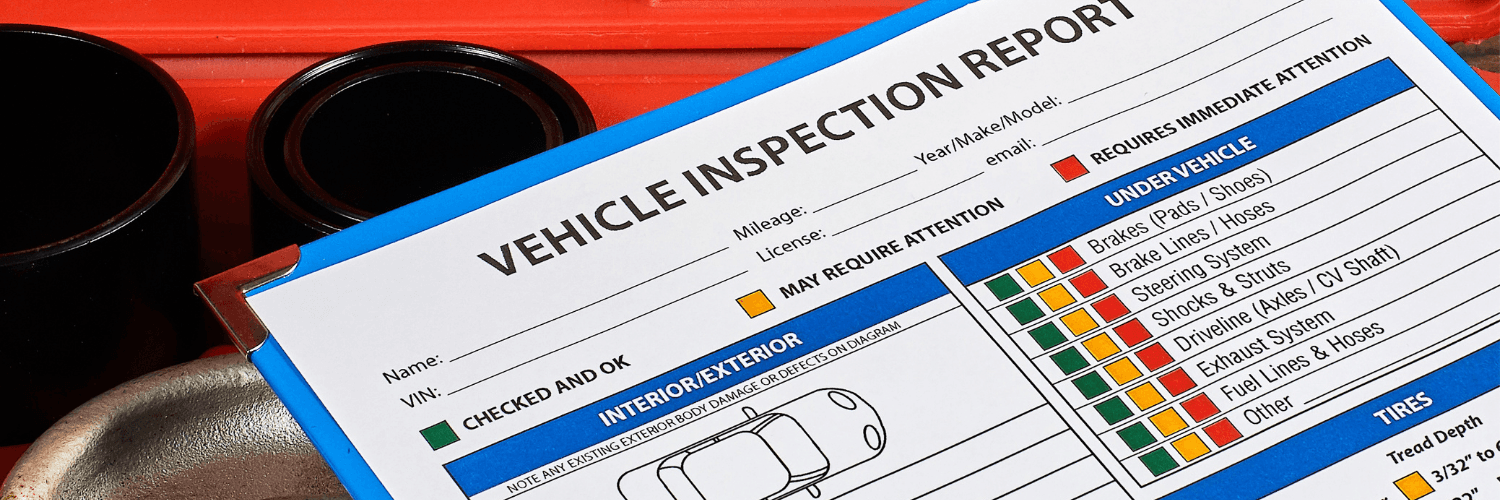
Use the checklist status that matches the condition actually observed. Enter measurements with their units where relevant, and explain concerns in technician notes. Distinguish an unchecked item from an item that was checked and found satisfactory. Where access or equipment prevents an inspection, state that limitation clearly.
Describe damage and recommended work separately
Mark visible damage on the vehicle diagram and describe the location in notes. A diagram marker shows a location, not the cause or date of damage. When creating an estimate, use a separate line for each part or service, enter quantity and unit cost, and review any configured tax. Proposed work is not a record of completed repairs.
Review the final sheet
Check the worksheet and PDF preview before sharing or printing. Confirm that notes remain readable, the checklist fits the intended page and the customer receives the correct document. NorthVIN's worksheet supports this documentation workflow; completing it does not replace a qualified inspection or establish an official inspection certification.